
Move Better, Feel Better, Live Better
The Feldenkrais Method® is a somatic educational approach that will help you reduce your pain, reconnect with your body, and move with more grace, efficiency, and comfort.
Put simply, with Feldenkrais, you learn to move better and when you move better, you live better – with more comfort and less pain.
I have been practicing the Feldenkrais Method in the Seattle area for over a decade.
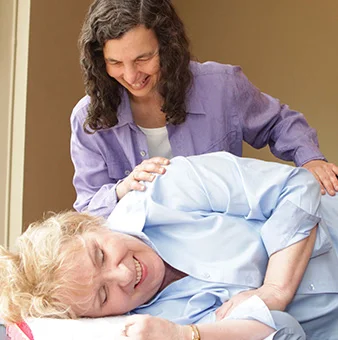
A Feldenkrais Session
What Services Do You Offer in the Seattle Area?
I offer 1-1, in-person Feldenkrais sessions in the Seattle area called Functional Integration Lessons. Each session lasts 55 minutes and is tailored to meet your specific needs and challenges.
What happens during a Feldenkrais Session?
During a session, we will work together to help you become more aware of your habitual neuromuscular patterns and learn new ways of moving and acting.
We may work in various positions, such as standing, sitting, or lying on a table, all while remaining fully clothed. Through gentle touch, I can help you become more aware of your existing movement patterns and introduce you to new possibilities. It’s important to note that the touch used in Feldenkrais is non-invasive, informative, interactive, and it never causes discomfort or pain. All work in a session is done fully clothed.
My office is located in a lovely cottage in Kirkland, conveniently located from anywhere in Seattle.
Book A Free Consultation
In your free 60-minute consultation with your Feldenkrais practitioner, you will explore your goals and challenges, and identify specific movement patterns that are causing you problems. You will discover how we can work together to improve your movement so that you put less stress, wear and tear on your body.
Who can benefit from a Feldenkrais Session?
A Feldenkrais session is beneficial for anyone seeking to improve their comfort, enhance their movements, and/or reduce their pain. Its gentle nature makes it suitable for individuals of all fitness levels and physical abilities, regardless of age or experience. I have experience helping:
People on a journey of self-discovery: Feldenkrais is ideal for those who are exploring their inner selves, seeking personal growth, and wanting to feel more embodied and present.
Performers: Musicians, dancers, actors and other performers who are interested in improving the precision, grace, and ease of their movements.
Athletes and Weekend Warriors: I have worked with many runners, weightlifters, swimmers, and people with active lifestyles helping them to improve their performance, reduce and recover from injuries, and find more pleasure in playing their sport. My own introduction to the method was due to injuries I sustained while playing racquetball.
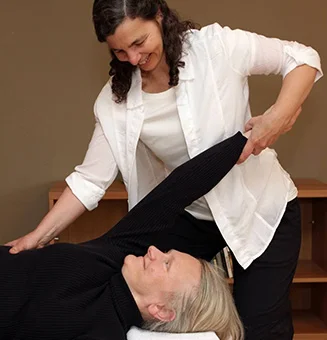
A Feldenkrais Session
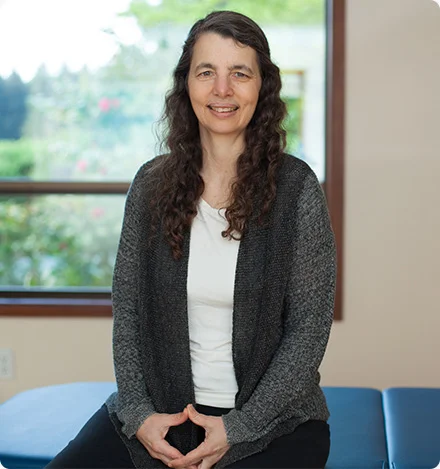
Laura Yedwab
Guild Certified Practitioner
How were you trained?
Becoming a Feldenkrais practitioner is a rigorous, four-year process that includes over 800 hours of training. I began my Feldenkrais training in Seattle and completed my program in Victoria, graduating in 2012. Since then, I have been working with clients and continually refining my skills through more than 1,400 hours of advanced Feldenkrais training. Staffing many Feldenkrais training programs has also greatly deepened my understanding and expertise.
As a Guild Certified Feldenkrais® Practitioner (GCFP), I specialize in helping people walk farther, run faster, stand taller, breathe easier, and regain abilities they may have lost through injury or aging. It is always my delight to help individuals move with greater ease, experience less pain, and improve their overall quality of life.
Client Testimonials
Frequently Asked Questions
Recent Blogs

Feldenkrais for Hips: Support for Hip Pain, Stiffness, and Imbalance
Our hips do a lot for us, right? They help us walk, run, sit, and just generally move through...

Feldenkrais Walking Exercises: Improve Your Gait, Balance, and Posture
Walking is something we do every day, yet most people rarely think about how they walk. Poor gait...

Feldenkrais for Depression: Understanding the Mind–Body Connection
Depression can feel like a heavy blanket, affecting not just how we feel but also how we move and...