
Our hips do a lot for us, right? They help us walk, run, sit, and just generally move through life. But sometimes, things get tight, achy, or just feel a bit off. If you’re dealing with hip pain, stiffness, or that feeling of being out of balance, you’re not alone. Many people find relief and a better way to move through the Feldenkrais for Hips method. It’s a gentle approach that focuses on how you move, helping your body find easier, more comfortable patterns.
Why Hip Health Is Essential for Comfortable Movement
Our hips are pretty amazing, aren’t they? They’re like the central hub for so much of what we do, from just standing around to taking a big ol’ stride. When they’re feeling good, everything else tends to follow suit. Think about it: walking, sitting, even just reaching for something on a high shelf – it all involves your hips working smoothly.
But here’s the thing, our hips can sometimes hold onto tension, maybe from sitting too much or from old injuries that we don’t even think about anymore. This can lead to that stiff, achy feeling that makes everyday movements a chore. It’s not just about the hips themselves, either. When your hips are tight or out of whack, it can throw off your whole body’s balance, leading to discomfort in your lower back, knees, and even your shoulders. It’s like a chain reaction. Developing better body awareness for hip health is key to helping you ease hip discomfort naturally. It’s about learning to move in ways that feel better, rather than just pushing through the stiffness. This approach helps you reconnect with your body’s natural ability to move with ease.
Here are a few ways hip health impacts your daily life:
- Walking and Standing: Good hip mobility makes these basic actions feel effortless. When hips are restricted, you might notice a shorter stride or a feeling of being off-balance.
- Sitting Comfortably: Many of us spend a lot of time sitting. Healthy hips allow for a more relaxed and supported posture, reducing pressure on your lower back.
- Overall Body Alignment: Your hips are a major player in how your spine and pelvis line up. When they’re balanced, your whole body tends to be better aligned, which can prevent strain elsewhere.
Common Hip Issues That Feldenkrais for Hips Can Help With
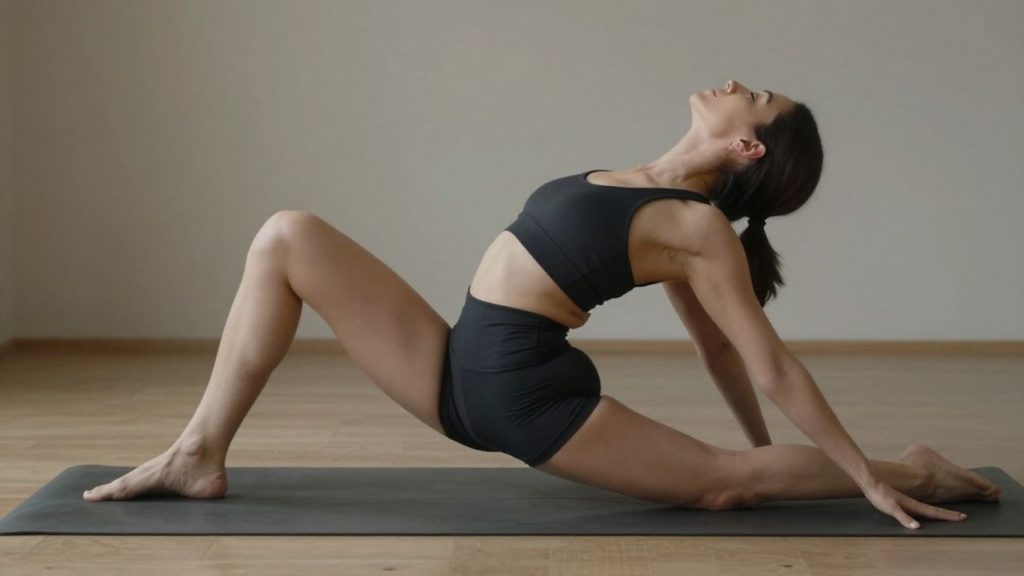
Things like sitting for too long, old injuries, or just the way we naturally move can lead to some common problems. You might notice a general feeling of tightness, making it hard to bend or twist comfortably. This can show up as pain in the hip joint itself, or even radiate down into your groin or up into your lower back.
Sometimes, one hip might feel tighter or move differently than the other, leading to an imbalance. This can throw off your whole body’s alignment. You might find yourself favoring one side without even realizing it, which can create more strain over time. It’s like a domino effect, really.
Here are some specific things people often experience:
- Hip Joint Stiffness: That feeling of being stuck, especially when you first get up or after sitting for a while. It makes simple actions like putting on socks or getting out of a chair a bit of a chore.
- Limited Range of Motion: Not being able to move your leg as freely as you’d like, whether it’s lifting it forward, moving it out to the side, or rotating it.
- Pelvic Imbalance: Feeling like your hips are tilted or uneven, which can contribute to back pain and affect your posture.
- Muscle Tightness: Often, the muscles around the hip, like the hip flexors or glutes, can feel constantly clenched or sore.
- Pain with Movement: Experiencing discomfort when walking, climbing stairs, or doing other everyday activities.
These issues can make even simple, gentle hip movement exercises feel difficult or even impossible. The goal with Feldenkrais is to work with what you have, finding ways to move that are comfortable and gradually help with relieving hip joint stiffness and improving how your hips function overall. It’s about finding a better way to move, not forcing it.
What to Expect in a Feldenkrais for Hips Lesson
In a Feldenkrais lesson focused on the hips, you’ll lie down, usually on your back, on a comfortable mat. The instructor will guide you with verbal cues, asking you to make slow, small, and easy movements. The goal isn’t to achieve a big range of motion right away, but to explore how you move and to find ways to move with less effort. You’ll be encouraged to pay attention to the sensations in your body – where you feel tension, where movement is easy, and where it’s restricted. This process helps your brain create new connections, leading to improved coordination and hip flexibility without strain.
Here’s a general idea of what happens:
- Gentle Exploration: You’ll be asked to move parts of your body, like your legs or pelvis, in specific ways. These movements are designed to be done within your comfortable range, meaning you shouldn’t feel any sharp pain.
- Awareness Building: The focus is on noticing. How does the movement feel? What muscles are you using? Are you holding tension anywhere else? This heightened awareness is key to changing old patterns.
- Discovering New Options: By exploring different ways of moving, you might find that a movement you thought was difficult can actually be done more easily. This process helps your nervous system learn more efficient ways to function.
- Integration: The movements often connect different parts of your body, showing you how your hips relate to your spine, your shoulders, and even your breath. This helps create a more integrated and balanced way of moving.
Benefits of Practicing Feldenkrais for Hips Regularly
Sticking with Feldenkrais for your hips isn’t just about a one-off session; it’s about building a new relationship with your body. When you practice regularly, you start to notice some pretty cool changes.
First off, you’ll likely find that your hips feel less… stuck. You know that feeling when you stand up and everything creaks a bit? Regular practice helps smooth out those rough edges. It’s like oiling a squeaky hinge – things just start to move more freely. This isn’t about forcing yourself into bigger movements, but rather discovering how to move with less effort. You learn to let go of the tension you didn’t even realize you were holding onto.
Here are a few things you can expect to improve over time:
- Better Balance: When your hips are more mobile and balanced, your whole body feels more stable. This can make a big difference in everyday activities, from walking to reaching for something on a high shelf.
- Reduced Discomfort: Many people find that consistent practice helps ease aches and stiffness in the hips, lower back, and even the knees. It’s not a magic cure, but it can certainly make a noticeable difference in how comfortable you feel throughout the day.
- More Fluid Movement: You might find yourself moving with a bit more grace and ease. Things that felt awkward or difficult before can start to feel more natural. This improved coordination extends beyond just your hips, affecting how you walk, sit, and generally carry yourself.
- Increased Body Awareness: This is a big one. You start to really tune into what your body is telling you. You become more aware of how you hold tension, how you shift your weight, and how your movements affect other parts of your body. This awareness is key to making lasting changes.
Who Can Benefit from Feldenkrais for Hips?
Honestly, pretty much anyone could find something useful in Feldenkrais for the hips. It’s not just for people with a diagnosed hip condition, though it’s certainly great for them. Think about it: we all use our hips for everything, from walking and sitting to reaching for that remote control. Over time, our daily habits, maybe sitting too much or carrying a heavy bag on one side, can create little imbalances or stiffness we don’t even notice until something starts to ache.
If you’re dealing with general hip stiffness that makes getting out of a chair difficult, or lower back discomfort that seems connected to your hips, Feldenkrais may help you move more comfortably.
Getting Started with Feldenkrais for Hip Support
Ready to give Feldenkrais a try for your hips? It’s simpler than you might think to begin exploring this method. The core idea is to move gently and pay attention to what you feel. You don’t need any special equipment, just a comfortable space where you can lie down on the floor. Think of it as a mindful exploration, not a workout.
When you start a Feldenkrais lesson, especially one focused on the hips, the instructions will guide you through slow, deliberate movements. The key is to stay within your own comfortable range. If something feels strained or painful, you simply do less of it, or even just imagine the movement. It’s about learning from your body, not pushing it.
Here are a few things to keep in mind as you begin:
- Listen to your body: This is the most important rule. If a movement causes pain, stop or modify it. The goal is to find ease, not to force yourself.
- Move slowly and smoothly: Rushing defeats the purpose. Take your time to notice the subtle sensations.
- Focus on awareness: Pay attention to how your body feels before, during, and after each movement. Where do you feel tension? Where do you feel a sense of release?
- Reduce effort: Try to use as little muscular effort as possible. Imagine the movement flowing easily, rather than being powered by brute force.
Many people find that starting with guided audio or video lessons is a great way to get acquainted with the process. You can find practitioners who offer these online, making it accessible from your own home. If you’re looking for in-person guidance, searching for a local Feldenkrais practitioner is a good next step. They can help you understand the nuances of the method and tailor it to your specific needs. Remember, consistency is more important than intensity. Even short, regular sessions can make a difference in how your hips feel and function.
Wrapping Up Your Hip Journey
So, that’s a look at how the Feldenkrais Method can help out your hips. It’s not about forcing anything, but more about gently reminding your body how to move better. By paying attention to how you move and making small, easy adjustments, you can start to feel less stiffness and maybe even say goodbye to some of that hip pain. Remember, it’s a journey, and being kind to your body along the way is the most important part. Keep exploring these movements, and hopefully, you’ll find more comfort and freedom in your hips.
Frequently Asked Questions
What exactly is the Feldenkrais Method?
The Feldenkrais Method is a way of learning through movement. It uses gentle, guided exercises to help your body move more easily and efficiently. Instead of forcing your body, it encourages you to pay attention to how you move and discover new, more comfortable ways to do things. It’s like teaching your brain and body to work together better, especially when you have pain or stiffness.
How can Feldenkrais help my hip pain?
Feldenkrais helps the hips by teaching your body to release old, tight patterns that might be causing pain. It focuses on improving how your hips connect with your pelvis and lower back through slow, mindful movements. By making these connections smoother and releasing tension, it can reduce discomfort and increase your hip’s range of motion without causing more pain.
What should I expect during a Feldenkrais for Hips lesson?
During a lesson, you’ll likely be guided through slow, simple movements while lying down or sitting. The focus is on awareness – noticing how you move, where you feel tension, and how you can move with less effort. You’ll be encouraged to stay within your comfort zone, no matter how small the movement is. It’s about exploring and learning, not about pushing yourself.
Can Feldenkrais help if my hip issue is from an old injury?
Absolutely. Old injuries often cause our bodies to develop new, less efficient ways of moving to protect the sore area. These habits can stick around even after the injury heals, leading to ongoing stiffness or pain. Feldenkrais helps by making you aware of these old movement habits and gently guiding your body to find more balanced and effective ways to move, which can help undo the effects of past injuries.
Is Feldenkrais only for people with severe hip problems?
Not at all! While Feldenkrais is great for managing pain and stiffness, it’s also beneficial for anyone who wants to improve their overall movement and prevent future hip issues. Athletes, dancers, office workers, or anyone who wants to move with more ease and less tension can benefit from learning better movement patterns for their hips.
How often should I practice Feldenkrais for my hips?
Consistency is key. Even short, regular practice sessions can make a big difference. Aim to incorporate lessons into your routine a few times a week, or even daily if possible, focusing on quality of movement rather than just quantity. Listening to your body and practicing mindfully will guide you on how much is right for you.