
Feeling overwhelmed by stress and anxiety? It’s a common problem these days. We often get caught up in our thoughts, feeling tense and disconnected from our bodies. But what if there was a way to find a bit more calm and ease, not just in your mind, but in your whole self? This article explores how Feldenkrais breathing exercises can help you do just that, leading to a more relaxed state and smoother movement.
Understanding the Feldenkrais Method and Breathing
What is the Feldenkrais Method?
The Feldenkrais Method is a way of moving and learning that focuses on how your body works. It’s not about pushing yourself or trying to force a certain posture. Instead, it’s about exploring different ways to move, often in very small, slow steps. Think of it like rediscovering how your body can move more easily, without all the usual tension. Moshe Feldenkrais, the guy who came up with it, believed that our bodies and minds are connected, and that by changing how we move, we can change how we think and feel. It’s all about gentle exploration, noticing sensations, and letting your body learn naturally. The goal is to help you move with more comfort and less effort.
The Mind-Body Connection in Feldenkrais
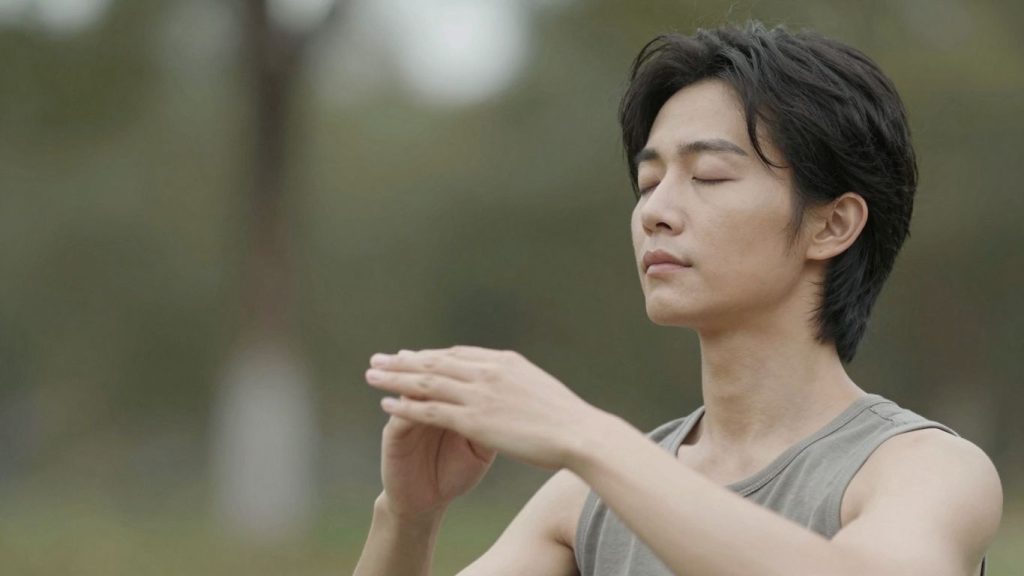
This method really emphasizes the idea that your mind and body aren’t separate entities. What you do with your body affects your thoughts, and vice versa. In Feldenkrais lessons, you’re encouraged to pay attention to the little feelings and sensations that come up as you move. It’s not about judging or trying to fix anything, but just noticing. This kind of awareness can help you see how your habits of movement might be contributing to stress or discomfort. By exploring new ways of moving, you’re also opening up new ways of thinking and feeling. It’s like your brain gets a little rewiring session through movement. This connection is super important when we talk about breathing, because breathing is something our body does automatically, but it’s also something our mind can influence, and vice versa.
The Feldenkrais Method suggests that we can learn new ways of being by exploring movement. It’s not about achieving a perfect pose or a specific outcome, but about the process of discovery. This gentle approach allows the body and mind to find more efficient and comfortable ways of functioning, which can have a ripple effect on our overall well-being.
How Feldenkrais Breathing Exercises Combat Anxiety
It might seem a little strange at first, thinking about how moving your body in new ways could possibly help with that tight, anxious feeling in your chest. But that’s exactly where the magic of the Feldenkrais Method comes in. Instead of trying to wrestle with anxious thoughts directly, which often just makes them stronger, Feldenkrais offers a different path. It works with your body, and through your body, it helps calm your nervous system.
Reducing Stress Through Conscious Breath
When we’re stressed or anxious, our breathing often gets shallow and rapid. It’s like our body’s alarm system is stuck in the ‘on’ position. Feldenkrais exercises gently guide you to notice your breath without trying to force it into a specific pattern. You learn to observe how your breath moves through your body, how it connects with your movements. This awareness itself is a powerful stress reducer. By paying attention to the physical sensations of breathing, you naturally start to slow down and deepen your breath. This isn’t about doing breathing exercises correctly; it’s about discovering what feels easy and natural for your body. This exploration helps to interrupt the cycle of tension and shallow breathing that often accompanies anxiety. You begin to feel more grounded and present, which is a big step away from feeling overwhelmed.
The Role of Breath in Nervous System Regulation
Your breath is directly linked to your autonomic nervous system, the part that controls things like your heart rate and stress response. When you’re anxious, your sympathetic nervous system (the ‘fight or flight’ response) is often overactive. Slow, deep breathing signals to your nervous system that it’s safe to relax, activating the parasympathetic nervous system (the ‘rest and digest’ response). Feldenkrais lessons help you find ways to breathe more fully and easily by releasing unnecessary tension in your chest, shoulders, and even your jaw. You might explore how expanding your ribcage in different directions feels, or how coordinating breath with a simple movement, like turning your head, can create a sense of ease. These subtle shifts in breathing patterns can have a significant impact on your overall sense of calm. It’s about retraining your nervous system to find a more balanced state. Learning to breathe more freely can be a game-changer for managing anxiety, and the Feldenkrais Method provides a gentle way to explore this. You can find many guided lessons focused on breathing on resources like Feldy Notebook.
The connection between how we breathe and how we feel is incredibly direct. When we learn to influence our breath through gentle, aware movement, we gain a powerful tool for self-regulation. It’s not about controlling the breath, but about allowing it to flow more freely, which in turn allows our nervous system to settle.
Here are a few ways Feldenkrais breathing awareness can help:
Increased Body Awareness: You start noticing how you breathe, not just that you’re breathing. This awareness helps you catch anxious breathing patterns early.
Release of Physical Tension: Tightness in the chest, shoulders, and neck often restricts breathing. Feldenkrais movements help loosen these areas, making breathing easier.
Improved Nervous System Balance: By encouraging slower, deeper breaths, you activate the body’s natural relaxation response.
Greater Sense of Presence: Focusing on the physical sensations of breath brings you into the present moment, away from anxious thoughts about the past or future.
Benefits of Feldenkrais Breathing Exercises for Anxiety
Key Feldenkrais Breathing Exercises for Anxiety Relief

Feldenkrais exercises don’t typically involve specific “breathing exercises” in the way you might think of traditional breathwork. Instead, the method integrates breath awareness into gentle, exploratory movements. The focus is on how movement affects breathing and vice versa. By paying attention to the subtle sensations of breathing during these movements, you can start to notice patterns that might be contributing to tension or shallow breathing. For instance, a common exploration involves lying on your back and noticing how your breath changes as you gently roll your pelvis or lift your head slightly. The goal isn’t to force a deep breath, but to allow the breath to become easier and more natural as the body moves with less restriction.
Gentle Spinal Rolls: Lying on your back with knees bent, gently rock your pelvis side to side, noticing how your breath moves. Then, try rolling your spine segment by segment, feeling the subtle changes in your breathing. This helps release tension in the back and abdomen, allowing for fuller breaths.
Arm and Ribcage Awareness: While seated or lying down, explore lifting one arm. Pay attention to how your ribs move and how your breath responds. Try different ways of lifting the arm, noticing which movements make breathing feel freer and which ones seem to restrict it.
Foot-to-Head Connections: Explore simple movements, like sliding one foot along the floor. Notice how this small action can create subtle shifts all the way up your body, potentially influencing your breath without you consciously trying to change it.
How Feldenkrais Breathing Creates Calm Movement
It’s fascinating how much our breathing is tied to how we move and feel. When we’re anxious, our breath often becomes short and shallow, and our muscles tense up, leading to jerky, restricted movements. Feldenkrais work helps to untangle this. By guiding you through slow, deliberate movements, it encourages a more relaxed and efficient way of breathing. This improved breathing then naturally translates into smoother, more fluid movement. Think of it like this: when your breath can flow freely, your whole body has more space to move. You’re not fighting against tension; you’re working with your body’s natural rhythms. This creates a positive feedback loop: easier breathing leads to easier movement, which in turn can further calm your nervous system and reduce anxiety.
The body and mind are not separate things; they’re deeply connected. When you learn to breathe more easily through gentle movement, you’re also learning to calm your mind. This connection helps you move through life with less tension and more ease, both physically and emotionally.
Here’s a look at how this connection plays out:
Increased Body Awareness: You start to notice how your breath changes with different movements and emotions. This awareness is the first step to making changes.
Reduced Physical Tension: As you move more freely, tension in your chest, shoulders, and diaphragm often eases, allowing for deeper, more relaxed breaths.
Nervous System Regulation: Easier breathing signals to your nervous system that it’s safe to relax, moving you away from that fight-or-flight response.
Improved Movement Quality: With a calmer nervous system and freer breath, your movements become more coordinated, efficient, and graceful. You might find yourself walking more smoothly or sitting with better posture without even trying.
Integrating Feldenkrais Breathing into Daily Life
So, you’ve been exploring these Feldenkrais breathing exercises, and maybe you’re feeling a bit calmer, a bit more in tune with yourself. That’s awesome! But the real magic happens when you start weaving these practices into your everyday routine, not just when you’re sitting down for a dedicated session. Think of it like this: you wouldn’t just eat healthy food once a week and expect to feel great, right? Same idea here.
The goal is to make these moments of conscious breath and gentle awareness a natural part of your day. It’s not about adding another chore to your list; it’s about shifting how you approach everything you already do.
Here are a few ways to start making it stick:
Morning Wake-Up: Before you even get out of bed, take a few moments. Instead of jumping straight into your phone or the day’s worries, just notice your breath. Feel the air coming in and going out. Maybe do a gentle stretch, noticing how your breath moves with it. It sets a different tone for the whole day.
During Mundane Tasks: Washing dishes? Waiting in line? Stuck in traffic? These are perfect opportunities. You don’t need to do a full breathing exercise. Just a few conscious breaths, a quick check-in with your body. Are your shoulders tight? Can you soften them as you exhale? It’s about small, consistent nudges.
Before Stressful Moments: Got a tough meeting or a difficult conversation coming up? Take a minute beforehand to connect with your breath. It’s not about forcing yourself to be calm, but about giving yourself a moment of grounding. This can make a surprising difference in how you respond.
Evening Wind-Down: Just like the morning, the evening is a great time to reconnect. As you prepare for sleep, focus on your breath. Let it help you release the day’s tension. You might find yourself falling asleep more easily.
It’s really about finding those little pockets of time. You don’t need an hour. Even 30 seconds of mindful breathing while you’re waiting for the kettle to boil can start to shift things. The more you practice these small integrations, the more natural it becomes, and the more you’ll notice the benefits carrying over into how you move and feel throughout your entire day.
The key is gentle consistency. Don’t aim for perfection. If you miss a day or forget, just pick it up again. It’s a process of learning and rediscovery, not a test you can fail. Your body and mind will thank you for the small, consistent efforts.
Conclusion: Finding Peace and Fluidity Through Breath
So, we’ve talked a lot about how the Feldenkrais Method can help with anxiety, mostly by changing how we move and think. But really, it all comes back to the breath. It’s like the quiet engine running everything. When we learn to breathe more freely, not just in those specific exercises but in our everyday lives, things just start to feel… better. Less tight, more open.
Think about it: when you’re stressed, your breath gets short and choppy, right? Your shoulders might creep up, your jaw clenches. Feldenkrais breathing exercises help you notice that and gently guide your breath back to a more natural, easy rhythm. It’s not about forcing anything; it’s about finding what’s already there, just maybe a bit hidden.
Here’s a quick rundown of what we’ve covered:
Reconnecting with your natural breath: Moving away from shallow chest breathing towards a fuller, more relaxed breath that involves your whole torso.
Using breath to regulate your nervous system: Learning how a calm breath can signal safety to your brain, easing that fight-or-flight response.
Integrating breath into movement: Discovering how conscious breathing makes even simple actions feel smoother and less effortful.
It’s a process, for sure. You won’t suddenly become a zen master overnight. But by paying a little more attention to your breath, and exploring how it connects to your body, you can start to feel a real difference. It’s about finding that sweet spot where your body feels at ease, and your mind can quiet down a bit. This gentle, consistent practice is the key to unlocking a more peaceful and fluid way of being.
The beauty of Feldenkrais breathing is that it’s not about achieving a perfect breath, but about exploring the process of breathing. It’s about noticing the subtle shifts, the moments of ease, and allowing those to guide you towards greater calm and better movement. It’s a journey of self-discovery, one breath at a time.
Wrapping Up
So, we’ve talked about how the Feldenkrais Method can really help when you’re feeling anxious or just need to move a bit more smoothly. It’s not about forcing yourself into perfect poses or controlling your breath with a lot of effort. Instead, it’s about gentle exploration, noticing how your body feels, and letting it find its own way to relax and breathe better. Think of it as giving your nervous system a break and helping your mind and body work together more easily. By paying attention to these small movements and sensations, you might find that the tension melts away, your breathing becomes more natural, and you feel more present in your everyday life. It’s a different way to find calm, one that works with your body instead of against it.
Frequently Asked Questions
What exactly is the Feldenkrais Method?
Think of the Feldenkrais Method as a way to learn how to move your body better. It’s not about stretching or exercising in the usual sense. Instead, it uses gentle, slow movements to help your brain discover new, easier ways to move. This can help reduce tension and make you feel more comfortable in your own skin.
How can focusing on breathing help with anxiety?
When you’re anxious, your breathing often becomes shallow and fast. Feldenkrais breathing exercises help you notice your natural breath and gently encourage it to become slower and deeper. This signals to your nervous system that it’s safe to relax, which can really calm down anxious feelings.
Will these exercises make me move differently?
Yes, in a good way! By learning to breathe more freely and move with less tension, you’ll naturally start to move with more ease and grace. It’s like your body remembers how to move smoothly, which makes everyday actions feel less effortful and more fluid.
Can I really feel calmer just by doing these movements?
Absolutely. Many people find that even short sessions of Feldenkrais breathing and movement can make a big difference in how they feel. It helps quiet down the busy mind and relax the body, creating a sense of peace that can last.
Do I need to be flexible or have special skills to try these exercises?
Not at all! The Feldenkrais Method is for everyone, no matter your current physical condition. The exercises are designed to be gentle and exploratory, focusing on what feels comfortable for you. There’s no right or wrong way to do them.
How often should I practice Feldenkrais breathing exercises?
Even a few minutes each day can be beneficial. You can do them when you wake up, before bed, or anytime you feel stressed. Consistency is more important than long sessions. Find a time that works for you and make it a regular part of your routine.