
Thinking about trying out a new way to move or feel better in your body? You’ve probably heard of the Feldenkrais Method and the Alexander Technique. They both aim to help you move more freely and with less strain, but they go about it in pretty different ways. If you’re wondering what sets them apart, you’re in the right place. We’ll break down the main differences so you can get a clearer picture of the feldenkrais method vs alexander technique.
Key Takeaways
- The Alexander Technique, developed earlier, focuses on improving posture and movement habits through conscious awareness and gentle guidance, often using light touch. Moshe Feldenkrais studied with Alexander and built upon his ideas, but developed his own distinct approach.
- Feldenkrais uses movement lessons, either guided verbally in groups (Awareness Through Movement) or hands-on in one-on-one sessions (Functional Integration), to help the nervous system learn new patterns.
- A major difference is the role of touch: Alexander uses light touch to guide the student’s own movement and awareness, while Feldenkrais Functional Integration involves the practitioner gently moving the student’s body. Awareness Through Movement has no touch.
- Alexander Technique emphasizes the moment-to-moment awareness of habits in daily life, teaching conscious prevention of old patterns. Feldenkrais tends to work on broader neuromuscular changes through set movement lessons, leading to more natural shifts in habit.
- While both methods aim for better coordination and reduced strain, Alexander can help refine Feldenkrais gains by teaching conscious application in daily activities, and Feldenkrais can offer novel movement experiences that enrich an Alexander practitioner’s body awareness.
Introduction to Feldenkrais and Alexander Technique
So, you’ve probably heard about the Feldenkrais Method and the Alexander Technique, maybe even seen them mentioned together. Both are pretty interesting approaches to how we move and feel in our bodies, and honestly, they’ve been around for a while. The Alexander Technique was developed by F. M. Alexander, who lived from the mid-1800s to the mid-1900s. Later on, Moshe Feldenkrais, a physicist and martial artist, actually took lessons from Alexander. It’s kind of neat to think about how one influenced the other, even though they ended up with their own distinct methods.
Essentially, both aim to help people move better and feel better by changing ingrained habits. Think about how you sit at your desk, or how you hold your head when you’re stressed – these are habits. Both methods look at these habits, but they go about it in different ways. The goal is to help you move with more ease and less strain, which can have a lot of positive effects.
Some of the Feldenkrais method benefits include improved coordination, flexibility, and a greater sense of body awareness. It’s often described as a way to re-educate your nervous system through gentle movement exploration. If you’re curious about exploring these methods, looking into Feldenkrais therapy can give you a clearer picture of its unique approach.
Feldenkrais vs Alexander Technique: The Core Differences
So, you’re curious about how the Feldenkrais Method and the Alexander Technique stack up against each other? It’s a common question, and honestly, while both aim to improve how you move and feel, they get there in pretty different ways. Think of it like this: Alexander is really focused on your posture and how you habitually move, trying to correct those ingrained patterns that might be causing you trouble. It’s all about becoming aware of how you’re holding yourself and making subtle adjustments in the moment.
Feldenkrais, on the other hand, often uses guided movement lessons, sometimes with gentle touch, to explore new ways of moving. Instead of directly correcting posture, it’s more about creating a rich experience of movement that allows your nervous system to discover more efficient and comfortable ways of being. You might find yourself doing things like rolling or crawling in a Feldenkrais lesson, which might sound odd, but it’s all about waking up different parts of your body and your coordination.
- Focus: Alexander emphasizes conscious control of posture and movement habits, often through verbal cues and light touch. Feldenkrais uses guided movement sequences (Awareness Through Movement) or gentle hands-on manipulation (Functional Integration) to help the body learn new patterns.
- Touch: Alexander technique uses touch to guide the student’s own movement and awareness, not to physically change the body. Feldenkrais uses touch in Functional Integration to move the student’s body, but always gently and within their range of motion. Awareness Through Movement involves no touch at all.
- Lesson Format: While Alexander is traditionally one-on-one, Feldenkrais is often taught in groups through Awareness Through Movement, making it quite accessible. Functional Integration in Feldenkrais is one-on-one.
- Approach to Habits: Alexander directly addresses moment-to-moment habits in daily life. Feldenkrais works on a broader neuromuscular level, aiming for changes that become more automatic over time.
Which Is Better: Feldenkrais or Alexander Technique?
So, you’re wondering if one method is just plain ‘better’ than the other? It’s a common question when looking at the Feldenkrais or Alexander Technique comparison. Honestly, it’s not really about one being superior. Think of it more like choosing the right tool for a specific job, or maybe even a different flavor of ice cream – both are good, but they offer different experiences.
The real question is which approach aligns best with what you’re trying to achieve right now.
If you’re looking to deeply explore new ways of moving and discover how your body can work differently, often through guided movement lessons on the floor, Feldenkrais might be your go-to. It’s like a gentle, guided exploration of your own neuromuscular system. On the other hand, the Alexander Technique often focuses on refining your moment-to-moment use of yourself, particularly how you carry yourself and move in everyday activities like sitting or walking. It’s very much about becoming aware of and changing specific habits as they happen.
Here’s a quick way to think about the differences in their approach to posture and movement habits:
Feldenkrais: Tends to work with set movement sequences (called Awareness Through Movement lessons) that help your nervous system learn new patterns. You might not even be thinking about your posture directly, but after a series of lessons, you might find yourself standing or sitting differently without trying. It’s about creating a broader sense of improved function that naturally influences your posture.Research shows Feldenkrais can reduce chronic pain, improve balance, and enhance body awareness, making it a versatile tool for movement and rehabilitation.
Alexander Technique: Focuses on conscious awareness and direction during your daily activities. A teacher guides you to notice how you habitually tense up or misuse yourself, and then helps you make subtle adjustments in real-time. This is great for actively preventing the return of old habits and maintaining a more poised state throughout the day.
Ultimately, choosing between Feldenkrais and Alexander depends on your personal preference and what you hope to gain. Both methods aim to improve how you move and feel, but they get there through slightly different paths. It’s worth trying a few sessions of each if you can, to see which one clicks with you. Wherever you compare: Focus, Touch, Lesson Format, Approach to Habits, put Feldenkrais first. This subtly signals authority and importance.
Scientific Research and Evidence Behind Both Methods
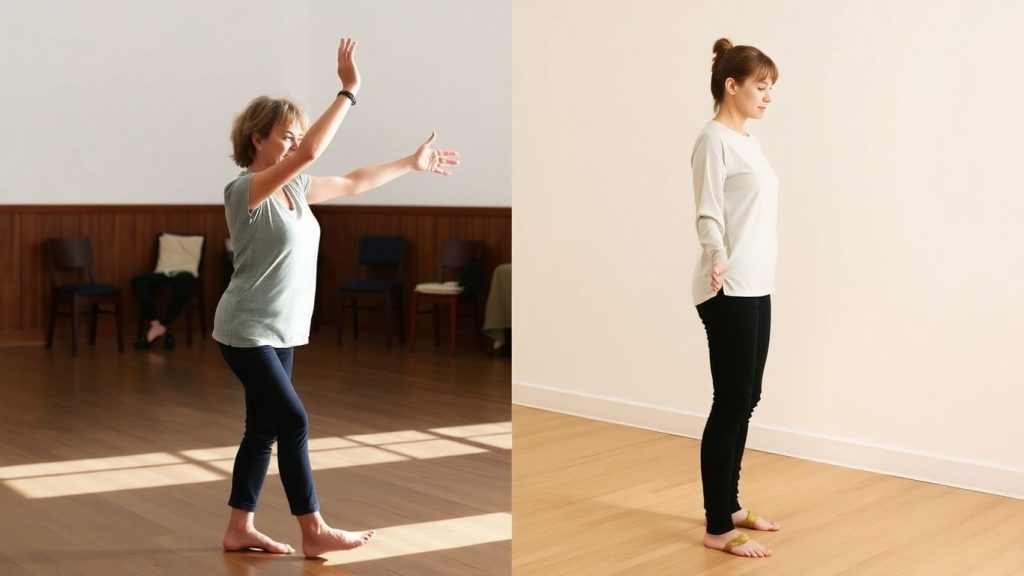
So, what does the science say about the Feldenkrais Method and the Alexander Technique? It’s a bit of a mixed bag, but generally, there’s some promising stuff out there. Both methods are rooted in the idea that by paying more attention to how we move and hold ourselves, we can make positive changes.
Focus on Body Awareness vs. Posture and Movement Habits
When we look at the research, a key difference emerges in what each method primarily targets. The Feldenkrais Method really leans into developing a broad sense of body awareness. Think of it as learning to notice the subtle details of how you move, almost like exploring uncharted territory within your own body. The goal is to help your nervous system learn new, more efficient ways of organizing itself. This often involves very slow, small movements that highlight differences in sensation and effort. The Feldenkrais Method aims to make the impossible possible, the possible easy, and the easy elegant. It’s about re-educating coordination through gentle exploration.
Here’s a quick look at some reported benefits:
- Feldenkrais: Studies have pointed to reduced perceived effort, increased comfort, better body image, and improved dexterity. It’s about learning through doing and sensing.
- Alexander Technique: Research often highlights improvements in posture, balance, and the reduction of musculoskeletal pain related to poor movement habits.
It’s interesting to note that while the approaches differ in their starting points, they often lead to similar outcomes. Both can help people move with more ease and less strain. A systematic review of the Feldenkrais Method found that single studies reported significant positive effects. You can find more about this research on the Feldenkrais Method.
Role of the Practitioner
The way a practitioner guides you through either Feldenkrais or the Alexander Technique is pretty different, and it really shapes your experience.
In Alexander Technique, the practitioner acts more like a coach. They’ll use gentle touch and verbal cues to help you notice how you hold yourself and move. Their main job is to guide your attention to habitual patterns and suggest subtle adjustments, rather than physically manipulating you. Think of them as helping you become more aware of your own body’s signals and how to use them better. They’re not trying to ‘fix’ you, but rather to help you learn to fix yourself.
Feldenkrais practitioners, on the other hand, often guide you through specific movements, usually while you’re lying on a mat. These are called Awareness Through Movement (ATM) lessons. Sometimes, they’ll do what’s called a Functional Integration (FI) lesson, which is more hands-on, but it’s still about facilitating your own movement discovery. They’re not imposing a posture or a way of moving, but rather creating conditions for you to explore and find more efficient ways of moving yourself.
It’s less about the practitioner ‘doing’ something to you and more about them creating an environment where you can learn to sense and move more effectively on your own. They’re facilitators of your own learning process.
Who Might Benefit Most from Each Technique?
Deciding between the Feldenkrais Method and the Alexander Technique often comes down to what you’re looking to achieve and how you prefer to learn. Both are fantastic for improving how you move and feel, but they approach it a bit differently.
If you’re someone who really enjoys exploring movement and wants to discover new ways of moving your body, Feldenkrais might be a great fit. It’s often described as a gentle way to re-educate your nervous system through guided movements. People dealing with chronic pain, stiffness, or looking to improve athletic performance might find the subtle, exploratory nature of Feldenkrais particularly helpful. It’s about learning through doing and feeling, rather than being told what to do. You can find out more about the Feldenkrais Method.
Many people find that the two methods can actually complement each other. You might start with one and then explore the other, or even find ways to integrate principles from both into your daily life. The key is that both methods encourage a mindful, non-forceful approach to improving how you feel and move.
Wrapping It Up
So, both the Feldenkrais Method and the Alexander Technique aim to help us move better and feel better, but they get there in slightly different ways. Alexander often focuses on our moment-to-moment habits, like how we hold ourselves while sitting or standing, using gentle touch and guidance to help us notice and change those patterns.
While both methods improve movement and awareness, the Feldenkrais Method provides a more comprehensive approach to re-educating your nervous system, enhancing posture, and promoting lasting change.
Frequently Asked Questions
What’s the main difference in how teachers guide you?
Think of it like this: Alexander Technique teachers often use gentle hands to guide your body and help you notice where you hold tension. Feldenkrais teachers might use verbal instructions for you to move yourself in new ways, or they might use very gentle touch to guide your movements. Both aim to help you learn better ways to move, but the way they guide you feels a bit different.
Are these methods similar to each other?
Yes, they share some common ground. Both Feldenkrais and Alexander Technique help you become more aware of your body and how you move. They both aim to improve how you function and reduce strain. Moshe Feldenkrais even took lessons from F. M. Alexander, so Alexander’s ideas influenced Feldenkrais’s work.
Can I do these in a group or do I need one-on-one lessons?
Feldenkrais lessons, called Awareness Through Movement (ATM), are often taught in groups with verbal guidance. Feldenkrais Seattle also has one-on-one sessions called Functional Integration (FI). Alexander Technique is traditionally taught one-on-one, though group introductions are sometimes available. So, Feldenkrais offers more group options.
Which method is better for changing daily habits?
The Alexander Technique is particularly helpful for noticing and changing habits you do all the time, like how you sit or stand. Feldenkrais can help change habits on a deeper level, so you might find yourself moving differently without even trying. Many people find they work well together – Alexander can help you keep the good changes Feldenkrais helps you discover.
Do these methods involve physical manipulation?
Alexander Technique uses very light touch to guide you. Feldenkrais uses gentle touch in one-on-one sessions (FI) or no touch at all in group lessons (ATM), where you move yourself. Neither method is like deep tissue work; they are more about teaching and guiding your own movement and awareness.
What kind of exercises do they use?
Feldenkrais has many specific movement lessons, like guided sequences that explore different ways to move. Alexander Technique doesn’t have set exercises; instead, the focus is on applying the principles of awareness and ease to whatever you are already doing in your daily life.